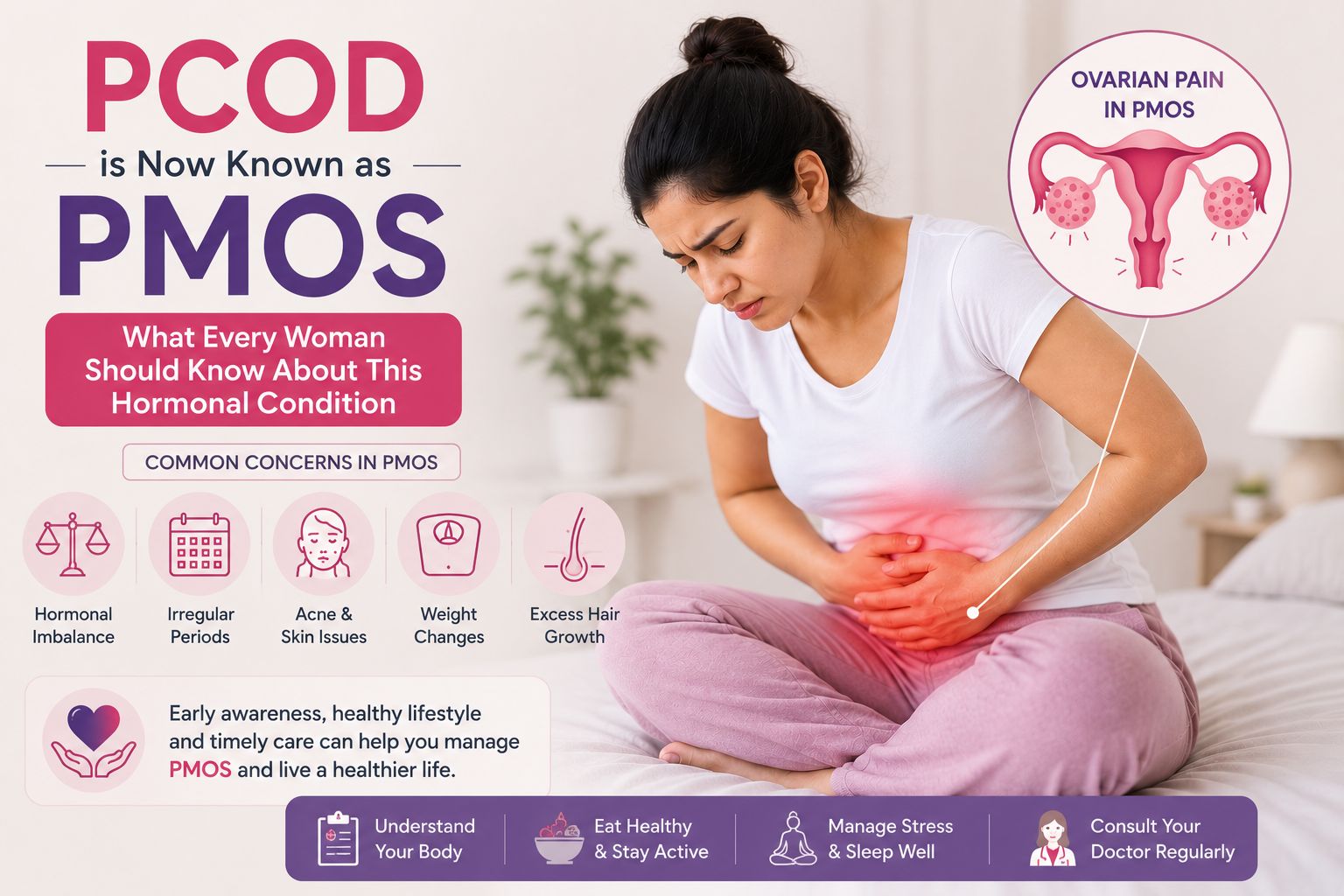
Polycystic Ovarian Disease (PCOD), now more commonly referred to as PMOS, is a hormonal condition that affects millions of women worldwide. It occurs when the ovaries produce higher-than-normal levels of male hormones, leading to hormonal imbalance and irregular ovulation. Women with PMOS may experience symptoms such as irregular periods, weight gain, acne, excessive facial hair growth, hair thinning, and difficulty conceiving. Since the condition can vary from person to person, early diagnosis plays a crucial role in managing symptoms and preventing long-term complications.
PMOS is more than just a reproductive health concern. It is often linked with insulin resistance, which can increase the risk of type 2 diabetes, high cholesterol, and cardiovascular diseases. Lifestyle factors such as poor dietary habits, stress, lack of physical activity, and genetic predisposition can contribute to the development and progression of the condition. Fortunately, making positive lifestyle changes, including regular exercise, balanced nutrition, and maintaining a healthy weight, can help improve hormonal balance and reduce symptoms significantly.
While there is no permanent cure for PMOS, effective management can help women lead healthy and fulfilling lives. Treatment options may include lifestyle modifications, medications to regulate menstrual cycles, fertility treatments when required, and personalized care based on individual health needs. Regular medical follow-ups and awareness about the condition are essential for preventing complications and improving overall well-being. With the right guidance and support, women with PMOS can successfully manage their symptoms and maintain long-term health.